China's Automotive Landscape: Navigating the Shifting Tides of Passenger Vehicle Sales
China's automotive industry has long been a bellwether for global trends, and the latest data from the China Passenger Car Association (CPCA) paints a complex picture of the market's dynamics. While overall passenger vehicle sales have declined for the fifth consecutive month, the surge in new energy vehicle (NEV) sales offers a glimmer of hope, driven by government incentives and consumer preferences.Powering the Future: China's Embrace of Electric Mobility
The Rise of NEV Sales
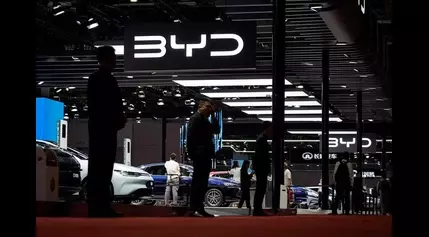
The data reveals a significant shift in consumer behavior, with NEV sales jumping an impressive 43.2% year-over-year. This surge has propelled NEVs to account for a record-breaking 53.5% of total car sales in China. The success of local EV champion BYD, which set a new sales record, and the strong performance of U.S. rival Tesla, which had its best month of 2024, have been key drivers of this trend.
Government Incentives Fuel the Transition
The Chinese government's commitment to promoting sustainable mobility has played a crucial role in this transformation. Drivers are now eligible for cash subsidies of up to 20,000 yuan (,823) when trading in petrol-powered cars to purchase NEVs. Additionally, those trading in petrol-powered cars for smaller-engine alternatives can receive up to 15,000 yuan in subsidies. These incentives have clearly resonated with consumers, with over 80% of trade-in subsidy applicants opting to buy NEVs.
Adapting to Changing Consumer Preferences
In line with the shift in consumer spending patterns, local EV manufacturers like Nio and Xpeng have launched lower-priced brands earlier this year. This strategic move reflects the industry's recognition of the evolving needs and preferences of the Chinese consumer, who are increasingly seeking more affordable and accessible electric mobility options.
Navigating the Challenges Ahead
Despite the surge in NEV sales, the broader passenger vehicle market has faced challenges, with sales declining by 1.1% in August compared to the same period a year earlier. This trend, which follows a 3.1% decline in July, highlights the waning consumer confidence in the market.
Dealerships Grapple with Price Pressures
The rise in EV and plug-in hybrid sales has not entirely alleviated the challenges faced by dealerships. Data from the China Automobile Dealers Association shows that more than half of dealerships suffered losses in the first half of 2024, with the ratio increasing by 7.3 percentage points from the previous year. The delisting of the second-largest dealership, China Grand Automotive Services, from the Shanghai bourse due to its stock trading below par value for 20 consecutive days, underscores the financial strain on the industry.
Navigating the Road Ahead
Despite the recent declines, the overall passenger vehicle market in China has shown resilience, with sales up 1.6% in the first eight months of 2024. Anticipating a sustained tailwind from government incentives, particularly for NEV sales, industry experts like CPCA secretary general Cui Dongshu remain optimistic about the market's prospects for the full year, projecting sales to remain in positive territory.The transformation of China's automotive landscape is undoubtedly a complex and multifaceted story. As the country continues to embrace the shift towards electric mobility, the interplay between consumer preferences, government policies, and industry adaptations will shape the future of this dynamic market.